Wednesday, August 29, 2007

Biological Functions of Amino Acids – Part 2

Conditionally Essential Amino Acids Functions

Arginine

  • Plays a role in cell division, healing of wounds and removal of ammonia from the body
  • Important for immune function and the production of T lymphocytes
  • Integral in protein synthesis
  • Precursor to nitric oxide which has many physiological functions, including vasodilation

Cysteine

  • Provides an antioxidant function by being a pre-cursor to glutathione
  • Source of sulfur
  • Aids in hair growth

Glutamine

  • Potential to be converted to glucose
  • Maintains physiological pH levels of blood
  • Increases the production of human growth hormone

Glycine

  • Essential for synthesis of nucleic acids, bile acids, ATP and creatine
  • Acts as an inhibitory neurotransmitter, and increases activity of certain neurotransmitters
  • Stimulates glucagon

Proline

  • Strengthens myocardium
  • Precursor for hydroxyproline, which the body uses for tendons and ligaments
  • Important component of collagen, which aids in the maintenance and healing of cartilage and joints

Tyrosine

  • Precursor for the neurotransmitters: epinephrine, norepinephrine, and dopamine
  • Can be converted to melanin, which protects against ultraviolet light

Nonessential Amino Acids Functions

Alanine

  • Vital for the function of the central nervous system
  • Maintains blood glucose levels
  • Can be converted to glucose during intense bouts of exercise
  • Aids in the production of lymphocytes, which is used in immune function

Asparagine

  • Used as a transport of nitrogen in the body
  • Essential function in proteins used in neuronal signaling, neuron development and transmission across synapses

Aspartate

  • Used in gluconeogenesis, the creation of glucose
  • Serves as an excitatory neurotransmitter

Glutamate

  • Most readily available excitatory neurotransmitter
  • Is a precursor for GABA (gamma-aminobutyric-acid)
  • Key role in transamination

Serine

  • Used in the metabolism of fats and fatty acids
  • Aids in the production of immunoglobulins and antibodies


Kurt Kuhn - www.FUSIONBodybuilding.com


Monday, August 13, 2007

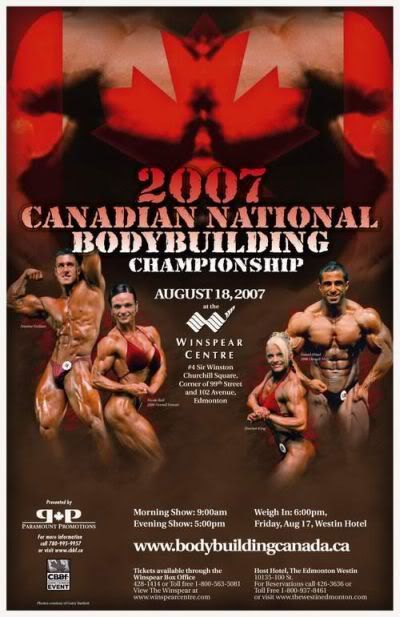
2007 Candian Nationals

We're all heading to Edmonton to see the Nationals this weekend. It's going to be an awesome event with some great competition - so if you get a chance, be sure to make your way there.

Photobucket - Video and Image Hosting

I'd personally like to wish the best for FUSION athlete Dave Naugler. This guys been working non-stop since his Middleweight win last year. Kick some ass Dave - you're a real bodybuilder - 100% pure dedication.

See you there!

- Adrian Burke http://www.fusionbodybuilding.com/

Wednesday, August 08, 2007

Biological Functions of Amino Acids

General Overview of Amino Acids


The most common purpose of protein we know of is for its purpose to help repair damaged muscle tissue after a workout. Protein has other functions, such as: aid in the transport of oxygen to tissues; play a role in immune function, so we don’t get sick; help control our mood. All of these doings are possible by the basic building blocks of protein, amino acids.


There are over twenty different amino acids, each one with a specific function in a physiological system. There are many ways of categorizing them. The most common way of sorting them is into categories: essential, conditionally essential and non-essential amino acids.

Essential amino acids are those that the body cannot synthesize, or it cannot create enough of. So it must be consumed via diet.

Conditionally essential amino acids are amino acids that are not always needed, but in certain individuals they are. Such as: a young and growing individual, or during illness.

Non-essential amino acids are just that. The body can synthesize enough of it to maintain normal function, so it does not need to be consumed through diet.

Essential Amino Acids Functions

Histidine
  • A precursor of histamine, a compound released by the immune system when an allergic reaction occurs.
  • Needed for the repair and growth of tissues. As well as the maintenance of the myelin sheath that is found in the neuronal cells.
  • Needed for the creation of red and white blood cells. Helps produce gastric juice in the stomach, aiding in digestion.

Isoleucine
  • Helps aid in the recovery of muscle tissue after physical stress (i.e. working out).
  • Used in for formation of blood clots.
  • Synthesis of hemoglobin.
Valine
  • Has a stimulating effect for muscle metabolism, repair and growth of tissue.
  • It is a BCAA, can be used as energy source in muscle tissue, and doing so prevents the use of muscle glucose.

Leucine
  • A BCAA that prevents the breakdown of muscle tissue.
  • Maintains and regulates the blood-sugar tissues.
  • Aids in the growth and repair of muscle tissue and bones.

Lysine
  • Required for the bone development in children.
  • Needed to produce antibodies, hormones, enzymes, and the repair of tissues.
  • Assists in calcium absorption.
  • Maintains a correct nitrogen balance, and maintains a lean body mass.

Methionine
  • Aids in the breakdown of fats.
  • Acts as an antioxidant.
  • Used in the formation of creatine in the body.

Phenylalanine
  • Helps elevating mood.
  • Aids in memory and learning.
  • Has been used as an appetite suppressant.

Threonine
  • Required to maintain a proper balance of protein in the body.
  • Assists in the formation of collagen and elastin in the skin.
  • When combined with aspartic acid it has lipotropic functions.
  • With the aid of methionine assists in immune function by producing antibodies.

Tryptophan
  • Required for the biosynthesis of niacin (vitamin B3).
  • Used to produce serotonin, an important neurotransmitter, which is important in sleep.

Kurt Kuhn - www.FUSIONBodybuilding.com


Tuesday, July 31, 2007

WBFF - Get Your Tickets!

So - the entire FUSION crew made the trip to Toronto to see what Mr. Paul Dillett was up to. As a ramp-up to the first ever WBFF Championships being help in September, he hosted the Summer Hot Bod contest at a great venue called C-Lounge. I didn't quite know what to expect, but when I got there the place was rammed. I am talking serious energy and some wicked physiques. The dudes were jacked and the women were sizzling - definetly top-notch athletes. It would appear that the word is out and the WBFF is gonna leave it's mark.

If you get a chance, visit their web site and reserve your tickets - this is going to be a great show www.WBFFShows.com

Photobucket - Video and Image Hosting

Adrian Burke - www.FUSIONBodybuilding.com

Monday, July 16, 2007

HOW CREATINE IS MADE

Many bodybuilders are unaware of how supplemental creatine is made or even where it is derived from – natural sources or synthetic sources. I will shed a little bit of light on this subject.

Naturally, creatine is produced in our body from the combination of 3 amino acids – glycine, arginine and methionine also chemically known as a-methyl-guanidinoacetic acid. Creatine can also be found in animal and fish sources but extracting large enough amounts for commercial use would be very impractical as it would be quite expensive.

This leads to me to discuss how the creatine we supplement with is produced. The creatine that we consume is synthetically produced by the manufacturing of 2 chemicals – sarcosine, which is a sodium salt and derivative of acetic acid, and cyanamide, which is an organic amide not to be confused with the similar sounding poison cyanide. Although these are chemicals, at the end of their reaction process is a product that is perfecting fine for human consumption – creatine. Reacting the chemicals sarcosine with cyanamide in a specific amount of water, inside a glass-lined filled vessel known as a reactor is the only way to make synthetic creatine.

Just for an example of how chemicals can be combined for human consumption let’s take a look at table salt. Sodium is pretty much safe to consume in its raw form but chloride is toxic to humans and will burn the skin. This is why it was used during WWI. Chemistry has allowed sodium and chloride to be combined into a new and harmless compound – common table salt.

The process for synthesizing creatine has been the same for many, many years and has not changed. The only thing that may have changed is the advancement in technology, which has improved the process, is regards to quality of the finished product.

The process to manufacturing creatine happens in 4 stages – reaction phase, cleaning phase, drying phase, and the milling phase. At the end of this process is a pure finished creatine ready to be packaged. Pure finished creatine is usually 88% creatine and 12% water because creatine picks up and bonds to water molecules during the initial reaction process.

This, my friends is how creatine is manufactured or ‘synthesized’. Later on we will discuss the brand of creatine – PURPLE•K and why bodybuilders consider it a staple supplement in their bodybuilding program.

Chris Belanger – FUSIONBodybuilding.com

Wednesday, July 04, 2007

TRAINING LAWS

When you go to the gym and train, it is a very systematic process, essentially all one does is lift, push, pull the weights. However, it is damn enjoyable. When one is training, there are certain principles one should consider when heading off to the gym or going for a run.

Law of Overload

The principle of overload is perhaps one of the most important and obvious concepts - if one does not push themselves harder (i.e. lifting more weight with proper form, running further) the body has no need to adapt, and thus one will not make any desirable gains in strength and/or endurance.

One can ‘overload’ themselves by adjusting one of the following:

  • Frequency – how often
  • Duration – how long
  • Intensity – how hard

Law of Reversibility

Simply stated, “If you don’t use it, you will lose it”. If you are not training consistently, the body has no need to adapt. So the gains that you have made in the gym will slowly start to relapse.

It is also important to note that one shouldn’t train so frequently that the body goes into a state of over training. Rest is needed for the body to recover.

Some symptoms of over training:

Irritability and moodiness
Altered sleep patterns
Loss of appetite
Loss of motivation or competitive drive
Persistent muscle soreness that does not go away
Fatigue not relieved by rest
Increased incidence of minor illness or injury
Principle of Variety

Doing the same thing over and over again gets boring rather quickly. Incorporating different exercises for each body part will keep your body guessing, and not grow accustomed to the routine you are using. Instead of doing low rep squats; try doing light weight 20 rep squats. Or instead of barbell shrugs, try dumbbell shrugs.

Law of Specificity

The exercise or training that you do will elect a certain and specific response and adaptations. Specific anaerobic exercise stress (i.e. strength-power training) induces specific strength-power adaptations; endurance exercise stress elects a specific aerobic system adaptations. There is only a limited interchange of benefits between strength and cardiovascular training.

So if you have a single goal in mind, train specific for that goal and not something else. If you want big legs don’t go continually training biceps.

Law of Individuality

Everyone is different. Different training routines affect each person in a different way. Some people will respond very well to high reps and light weight exercises, while others will only respond to heavy weight and low rep exercises. So if someone says “You have to try this new routine, it worked wonders for me.” Feel free to try it out, but don’t get disappointed if it doesn’t work out for you.

Kurt Kuhn - www.FUSIONBodybuilding.com

Monday, June 18, 2007

The ATP-PCr System and Creatine

High intensity exercise of short duration (ie.100m dash, 25m or heavy ass squats) requires an immediate energy supply. This comes almost soley on banked stores of intramuscular, high-energy phosphates, phosphagens, adenosine triphosphate (ATP) and phosphocreatine (PCr). Each kilogram of skeletal muscle (the kind of muscle you use when you workout) contains 3 to 8 mmol/l (millimoles/litre) of ATP and 4–5 times more PCr. For a 70kg person, with a muscle mass of 30kg, this represents between 570 to 690 mmol/l of high-energy phosphates. Assuming that 20kg of muscle becomes active during “big-muscle” exercise, sufficient stored phosphagen energy can supply energy for 5-8 seconds of sprint running for 5–8 seconds, or up to 15 seconds of heavy, maximal effort weight lifting.

All sports use the high-energy phosphates, but many depend almost entirely on this means of energy transfer. For example, success in football and the gym requires brief but maximal efforts during the performance. Sustaining exercise beyond a brief period and recovering from all-out effort requires an additional energy source to replenish ATP. If this does not occur, the “fuel” supply diminishes and high-intensity movement comes to a screeching halt. The carbohydrates, fat, and protein found within the cellular fluids and tissue depots remain ready to continually recharge the available pool of high-energy phosphates to sustain muscular activity. However, there are other methods of help maintaining this energy currency. This is where creatine comes into play.

When creatine is consumed it passes through the digestive tract intact and eventually gets shuttled into skeletal muscle. About 40% exists as free creatine; the remainder combines with a phosphate molecule to form PCr.

PCr also shuttles intramuscular high-energy phosphate between the mitochondria and muscle filament cross-bridge sites that initiate muscle action. Maintaining a high ratio of ATP:ADP (adenosine diphosphate) ratio is important for maximum effort activities lasting up to 3-15 seconds. This exercise duration places high demands on ATP re-synthesis that exceed the energy transfer from intracellular macronutrient breakdown.

Generally speaking, creatine has the potential to accomplish the following:

- Accelerate ATP turnover to maintain power output during short-term muscular effort


- Delay PCr depletion


- Diminish dependence on anaerobic glycolysis and decrease resulting lactate formation


- Facilitate muscle relaxation and recovery from repeated bouts of intense, brief effort via faster ATP and PCr resynthesis; rapid recovery allows continued higher level power output


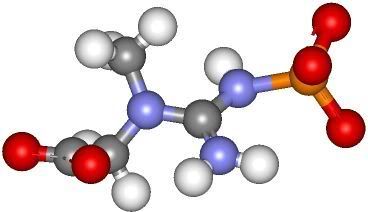
Molecular Structure of PCr
Photobucket - Video and Image Hosting


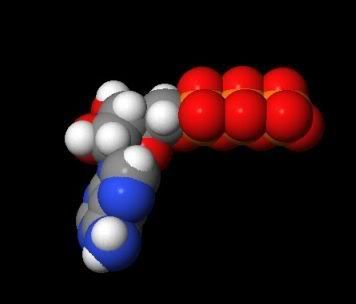
Molecular Structure of ATP
Photobucket - Video and Image Hosting


Kurt Kuhn - http://www.fusionbodybuilding.com/


Tuesday, June 12, 2007

RAZBERI-K - A SUB•Q INNOVATION

Razberi-K, also known as 4-(4-hydroxyphenyl) butan-2-one, is a ketone unique to red raspberry. Raspberries contain many bioactive constituents beneficial for health. One particular constituent, 4-(4-hydroxyphenyl) butan-2-one appears to have the potential to decrease body fat.

A recent study in Sarasota, Florida of this year adds to existing clinical research in which raspberry ketone has been shown to have anti-obesity effects by altering lipid metabolism, specifically by increasing norepinephrine-induced lipolysis, an effect which may enhance thermogenesis and oxidation of body fat.

The chemical structure of raspberry ketone is similar to that of capsaicin and synephrine. Both of which are well documented for their ability to produce thermogenesis through the release of norepinephrine. However, there are health risks with these two ingredients – synephrine has been shown to have dangerous cardiovascular side effects, while capsaicin has been shown to cause gastrointestinal distress in many users. There are no documented side effects related to raspberry ketone consumption.

This revolutionary ingredient is part of the Beyond Ripped Complex™ found exclusively in SUB•Q.

www.FUSIONBodybuilding.com

Wednesday, June 06, 2007

PRESS RELEASE

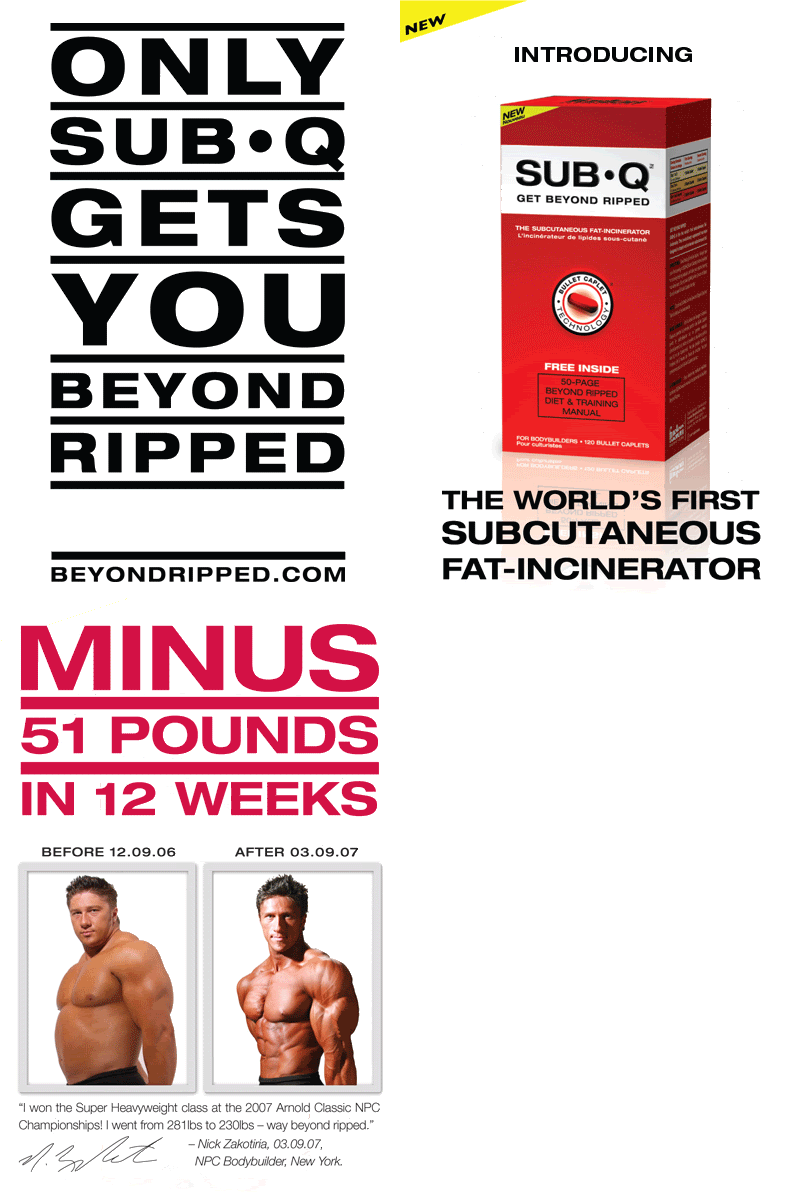
FUSION Bodybuilding, Inc. Announces the Launch of SUB•Q -
The First Subcutaneous Fat-Incinerator:


Guelph, ON – Fusion Bodybuilding, Inc. announces the launch of SUB•Q – the world’s first fat burner designed to target subcutaneous fat. Subcutaneous fat is very hard to lose because it attaches itself just under the skin – hiding lean muscle definition under a layer of persistent white, milky fat. This evolutionary supplement was developed to address the void in availability of any fat burners in the category of subcutaneous fat loss. SUB•Q contains 3 complexes that work via separate mechanisms all targeted toward the incineration of subcutaneous fat.

Adrian Burke, Co-President of Fusion Bodybuilding spoke to the release of their revolutionary new product: “The supplement industry has been bombarded with ‘me-too’ products that do nothing more than boast how great they are – they try to fool everyone with big, flashy claims. It was really important for us to put our customers first and bring functionality and value to the forefront. Fusion has gained a reputation for developing bodybuilding’s strongest supplements because of a decade of dedication in doing exactly that. With this continued dedication in mind we set out to develop the strongest fat-burner ever made and we did it!”

SUB•Q is packaged with a 50-page manual consumers use to achieve their ideal body. This manual comes complete with a 3 phase diet and training program geared towards subcutaneous fat loss. This added value piece is a key feature in bringing functionality and value to our consumers and will resonate in other Fusion products as well. SUB•Q will be released to the public in Canada, Australia, United Kingdom, the Netherlands and Austria on June 14, 2007.

About Fusion Bodybuilding, Inc.
Fusion's innovative research and development team provides people around the world with bodybuilding’s strongest supplements. Founded in 1998 by Ryan Herniman and Adrian Burke, Fusion today is a top supplement company that pays particular attention to category development and value driven brands. Fusion's targeted marketing program provides businesses of all sizes with measurable results, while enhancing the overall experience for supplement users. Fusion is headquartered in Guelph, Ontario – the hub of nutraceutical development in North America.

Fusion Bodybuilding Media
Jeff Wall jeff@fusionbodybuilding.com

Tuesday, May 29, 2007

The Human Nervous System - PART THREE

The Autonomic Nervous System Divisions

The autonomic nervous system (ANS) houses two major divisions, the parasympathetic and the sympathetic division. At most times, the two divisions are antagonists to each other; if the sympathetic division causes excitation, the parasympathetic division will counter-act with an inhibitory effect. This is not always the situation, however. Because the two divisions may work independently, with some structures innervated by one division, and the two divisions may work synergistically, each contributing to one stage of a complex process. Generally speaking, the parasympathetic division is active in rest states, and the sympathetic division “kicks in” during times of exertion, stress, or emergency.

When you are doing a heavy weight lifting session at the gym your sympathetic division is full effect. It is sending signals to your cardiovascular and respiration center of the pons, leading to increased blood pressure, heart rate, breathing rate and depth of respiration, so blood and oxygen delivered to muscles. All of this happens unconsciously; it is and is an involuntary action. During this time also, your digestive system is somewhat inhibited so all of ones energy can be focused at the task at hand. One will also have an increased mental alertness and a state of euphoria. Also, there is a general elevation of muscle tone, so a person looks tense. Finally, the mobilization of energy stores, through an increased breakdown of glycogen in muscle and liver cells and the release of lipids from adipose tissues.

After the workout or cardio session the activity of the sympathetic nervous system decreases and the parasympathetic division comes into play. When you leave the gym and step out into the bright sun (hopefully) the parasympathetic nervous system will cause a constriction of the pupils to inhibit the amount of light entering the eyes. And while on your way back home or wherever, there is secretion of digestive glands, including of hormones that promote nutrient absorption, so the hard worked muscles can recover properly. There is also a constriction of respiratory passageways and reduction in heart rate and force of contraction. All of this aids in you becoming more relaxed.

Like stated, the parasympathetic nervous system focuses on relaxation, food processing and energy absorption. It ahs been called the anabolic system because stimulation leads to a general increase in the nutrient content of th blood.

Kurt Kuhn - www.FUSIONBodybuilding.com

Monday, May 14, 2007

The Human Nervous System - PART TWO

The Central Nervous System - The Spinal Cord

The spinal cord attaches to the brainstem providing a critical pathway for the flow of information from the skin, joints and muscles to the brain, and vice versa.

In cross sections of the spinal cord there is a H-shaped center of gray matter. The ventral (anterior) and dorsal (posterior) horns describes the sections of this core. The spinal cord core contains primarily three types of neurons: motor neurons, sensory neurons, and interneurons. The motor neurons (efferent) run through the ventral horn to supply skeletal muscle. Sensory (afferent) nerve fibers enter the spinal cord from the periphery by way of the dorsal horn. The white matter, containing the ascending and descending nerve tracts, surround the gray matter within the cord.

As previously mentioned, information going towards the brain is sensory information, such as touch, taste and also pain. So if you are working out and pull a muscle or drop a 45 lb plate on your small toe the nerves will travel up to the brain via afferent nerve fibers of the spinal and the information will be integrated there. Here the response will be traveling via afferent nerve fibers to produce a motor response.

Ascending Nerve Tracts

Ascending nerve tracts in the spinal cord send sensory information coming from peripheral receptors to the brain for processing. There are three neurons that typically make up sensory pathway.

1) The dorsal root ganglion contains the cell body of the first neuron whose axon relays information into the spinal cord.
2) The cell body of the second neuron lies within the spinal cord itself; its axon passes up the spinal cord to the thalamus.
3) The thalamus contains the third neuron's cell body. The axon of the third neuron passes up to the central command center of the cerebral cortex

Descending Nerve Tracts

Axons from the brain move downward through the spinal cord along two major pathways. The lateral or pyramidal tract activates the skeletal muscle (the muscles that you primarily use when working out). The second pathway named ventromedial or extrapyramidal tract, controls posture and muscle tone via the brainstem.


Kurt Kuhn - www.FUSIONBodybuilding.com

Tuesday, May 08, 2007

The Human Nervous System - PART ONE

Divisions of the Nervous System

The human nervous system has two major divisions:

1) The Central Nervous System (CNS) which is made up of the brain and spinal cord.

2) The Peripheral Nervous System (PNS) division that contains nerves that transmit information to and from the CNS.

From there the PNS is divided into the autonomic nervous system (ANS) which controls involuntary information and it conducts impulses from the CNS to cardiac muscle, smooth muscles (ie. digestive system), and glands. The ANS then gets divided into the sympathetic and parasympathetic nervous system which will be discussed later.

The other partition of the PNS is the somatic nervous system which conducts impulses from the CNS to skeletal muscle.

Both of these divisions play an important role to bodybuilders. It allows us to lift heavy ass weights and digest much needed food.

Breakdown of the Nervous System

The Central Nervous System - The Brain

As previously mentioned the CNS is made up of the brain and spinal cord. The CNS is responsible for integrating, processing, and co-ordination sensory input and motor output. It also plays a role of higher functions, such as intelligence, memory, learning and emotion.

The brain is divided into numerous regions which include the brainstem, cerebellum, diencephalon, telencephalon and the limbic system.

The Brainstem

The brainstem is made up of the medulla oblongata (medulla for short), pons and midbrain. The medulla oblongata is important for relaying sensory information to the thalamus and to other brainstem centers. Also, it contains major centers concerned with the regulation of autonomic function, such as heart rate, blood pressure and the digestive activity. Which all play an important role in the world of gym, the medulla can increase our heart rate so much needed oxygen gets delivered to the muscle and adjusting of blood pressure so we don't faint.

The pons relays sensory information to the cerebellum and thalamus. Also, it is contains subconscious somatic and autonomic motor center. Any motor movements that we don't think about will be sent here.

Cerebellum

The cerebellum functions by complex feedback circuits that monitors and coordinates other areas of the brain and spinal cord that are involved in motor control.. The cerebellum receives motor output signals from the central command in the cortex. This cerebellum, also obtains sensory information from peripheral receptors in muscles, tendons, joins and skin and from visual, auditory, and vestibular end organs. The cerebellum serves as the major comparing, evaluating, and integrating center for postural adjustments, locomotion, maintenance of equilibrium, perceptions of speed of body movement and other diverse reflex functions related to movement. Movements that are first learned by trail and error, like riding a bicycle or proper form of deadlifts or squats, remain coded as coordinated patterns in the cerebellar memory banks. Essentially, this motor control center ?fine tunes? all forms of muscular activity

Diencephalon

The diencephalon is made up of the thalamus and hypothalamus. The thalamus provides the switching and relay centers for both sensory and motor pathways. Ascending sensory information from the spinal cord and cranial nerves (other than olfactory nerves) is processed in the thalamus before the information is relayed to the cerebrum or brain stem. The thalamus also plays an important role in regulating a sleep and wakefulness states and also has a role in controlling arousal, the level of awareness and activity.

The hypothalamus which lies inferior to the thalamus in the cerebrum, controls metabolic and body temperature. It also influences activity of the ANS; it receives regulatory input from the thalamus and responds to the effects of diverse hormones.

Telencephalon

The telencephalon contains the two hemispheres of the cerebral cortex which makes up approximately 40% of the total brain weight. It is divided into four lobes; front, temporal; parietal and occipital. Neurons in the cortex provide specialized sensory motor functions. Deep to each cerebral hemisphere and in close association with the thalamus lie the basal ganglia, which play an important role in control of motor movements.

PART TWO - COMING SOON...

Kurt Kuhn - www.FUSIONBodybuilding.com

Thursday, May 03, 2007

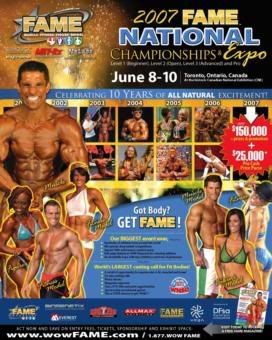
FAME Tickets Special

20% off FAME tickets!

Photobucket - Video and Image Hosting
This special promotion is running until May 7th - here is your promo code: YUVP8600

All ticket info can be found here: http://www.wowfame.com/tickets/details.asp?evID=13

Friday, April 20, 2007

Bench Press Champion – Barry Antoniow

Almost a year ago I received an e-mail and a phone call from this gentleman in Ottawa who is a Powerlifter and member of Ottawa Strong - the powerhouse, Barry Antoniow.

FUSION decided to award him a supplement sponsorship. Right away he found his best gains using PURPLE•K, ZEUS and FUBAR.

Today I am proud to announce that a few weeks ago at the 2007 CPU Nationals, Barry Antoniow took home the Gold Medal. He kicked ass and won the Canadian National Bench Press Championships.

Photo Sharing and Video Hosting at Photobucket

I am honoured to have met Barry and look forward to working with him for year’s to come.

For more information on Barry and Ottawa Strong – please visit
www.OttawaStrong.ca.

Congratulations Barry on another Powerful Lift.


Chris Belanger - VP Sales www.FUSIONBodybuilding.com

Monday, April 09, 2007

Guanidinopropionic Acid and Creatine

Many creatine products on the market right now contain an array of ingredients that theoretically help increase the efficiency of creatine, This can be done by either having creatine easily transported into the cell or a new form of it which will provide you with more energy.

One of these ingredients put into creatine blends is guanidinopropionic acid (GPA). GPA has been added to creatine supplements to help in the aid of insulin function. Generally speaking, the more improved function of insulin, the more energy you will have available and the more anabolic one will be. GPA is a creatine analog. However, GPA can be ergolytic, meaning, it will hinder performance and not increase it.

GPA also has the ability to bind to creatine transporters and block their main function, to allow passage of creatine into the cell. (Brault et al., 2003, Williot et al., 1999) When this happens creatine will not be able to get into various tissues. Thus, a blocked creatine transporter can result in lesser intracellular creatine levels, leading to a decreased performance. The consequences of this will be a diminished contractile force (Eijnde et al., 2004). Along with muscle tissue being affected, GPA also has an influence on brain and heart tissue.

The brain is a very well protected organ, and as in muscle tissue, creatine needs a transporter to gain access to neuronal tissue for it to have a beneficial effect. GPA has been shown to inhibit the creatine transporter, but thankfully the brain has the ability to temporarily recover from the decreases in energy induced by GPA use (Lunardi et al., 2006, O’Groman et al., 1996).

As mentioned previously, GPA can manipulate with heart tissue. Numerous studies showed that intracellular creatine concentrations decreased dramatically, nearly 80%. (Boehm, et al 2003, Horn et al., 2001)

Having both GPA and creatine in the same supplement seems counter-productive. Since GPA has the ability to stop creatine uptake into the cells, which could lead to an overall negative effect. It seems to defeat the purpose of what we are taking creatine for, which is usually to better our performance in the gym.


References:

Boehm E, Chan S, Monfared M, Wallimann T, Clarke K, Neubauer S. Creatine transporter activity and content in the rat heart supplemented by and depleted of creatine. Am J Physiol Endocrinol Metab. 2003 Feb;284(2):E399-406.

Brault J, Abraham K, Terjung.R, Muscle creatine uptake and creatine transporter expression in response to creatine supplementation and depletion. J Appl Physiol. 2003 Jun;94(6):2173-80

Eijne B, Lebacq J, Ramaekers M, Hespel P. Effect of muscle creatine content manipulation on contractile properties of mouse muscles. Muscle Nerve. 2004 Marl29(3):428-35.

Horn M, Remkes H, Stromer H, Dienesch C, Neubauer S. Chronic phosphocreatine depletion by the creatine analogue beta-guanidinopropionate is associated with increased mortality and loss of ATP in rats after myocardial infarction. Circulation. 2001 Oct 9;104(15):1844-9.

Lunardi G, Parodi A, Perasso L, Pohvozcheva A, Scarrone S, Adriano E, Florio T, Gandolf C, Cupello A, Burov S, Balestrin M The creatien transporter mediates the uptake of creatine by brain tissue, but not the uptake of two creatine-derived comounds. Neuroscience. 2006 Nov 3l143(4):991-7

O'Gorman E, Beutner G, Wallimann T, Brdiczka D.. Differential effects of creatine depletion on the regulation of enzyme activities and on creatine-stimulated mitochondrial respiration in skeletal muscle, heart, and brain. 1996 Sep 12;1276(2):161-70.

Willott C, Young M. Leighton B, Kemp G, Boehm, E., Radda G., Clarke K., Creatine uptake in isolated soleus muscle: kinetics and dependence on sodium, but not insulin. Acta Physiol Scand. 1999 June;166(2):99-104.


Kurt Kuhn - www.FUSIONBodybuilding.com

Tuesday, April 03, 2007

Thursday, March 22, 2007

Sequence of a Muscle Contraction

Initiation of a Muscle Contraction

1) A contraction is initiated in the central nervous system, which is composed of the brain and brainstem. The contraction can either be voluntary or involuntary. We will only be focusing on voluntary contractions, which involve skeletal muscle

2) A motor neuron in the ventral (front part) of the spinal cord is activated, and a new action potential is then generated, which is passed outward in the ventral root of the spinal cord.

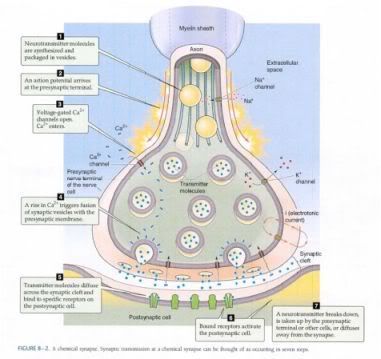
3) As the action potential travels down the motor neuron axon it arrives at the pre-synaptic terminal

4) The action potential causes voltage-gated Ca2+ channels to open. The causes Ca2+ to enter into the pre-synaptic terminal

5) The rise of intracellular Ca2+ triggers synaptic vesicles filled with acetylcholine (ACh) to pass readily through pre-synaptic membrane into the synaptic cleft.

6) The ACh vesicles travel across the synaptic cleft, which is only 50 nm wide. The bind to acetylcholine receptors, namely nicotinic acetylchoine receptors (nAChR), the nAChR are found within the sacrolemma, which is the outer surface of a muscle cells.

Photobucket - Video and Image Hosting

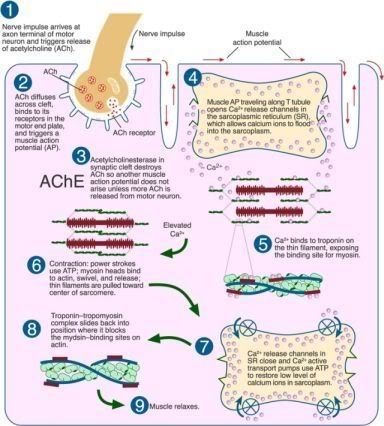
7) An new action potential is then generated and depolarizes the transverse tubules (t-tubules), which lie along the sacrolemma

8) A depolarization of the T-Tubule causes Ca2+ release from the sacroplasmic reticulum (SR)

9) Ca2+ binds to the tropnon-tropomysion complex in the actin filaments. This releases the inhibition that prevented actin from combining with myosin

10) During muscle action, actin combines with myosin-ATP. Action also activates the enzyme myosin ATPase, which then splits ATP. The energy from this reaction produces myosin crossbridge movement and creates tension.

11) ATP binds to the myosin crossbridge; this breaks the actin-myosin bond and allows the crossbridge to dissociate from actin. The filaments then slide past each other and the muscle shortens.

12) Crossbridge activation continues when Ca2+ concentration remains high enough (due to membrane depolarization) to inhibit the troponin-torprmyson system

Contraction Termination

- ACh at the neuromuscular junction is broken down by acetylcholinesterase (AChE), and this terminates the stream of action potentials along the muscle fiber surface.

- The SR ceases to release calcium ions, and immediately starts to uptake all the calcium ions that have been released.

- In the absence of calcium ions, a change in the configuration of troponin and tropomyosin then blocks the action of the myosin molecule heads, and contraction ceases.

Photobucket - Video and Image Hosting


- Kurt Kuhn - www.FUSIONBodybuilding.com

Monday, March 19, 2007

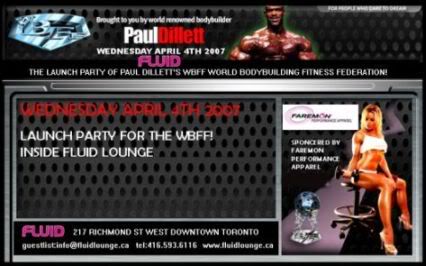
***WBFF Launch Party*** - April 4th Fluid Nightclub

I hope everyone in the GTA can make this - it's gonna be wicked!!!

WBFF LAUNCH PARTY APRIL 4TH FLUID NIGHTCLUB!
Photobucket - Video and Image Hosting
Launch of Paul Dillett's
WBFF - WORLD BODYBUILDING FITNESS FEDERATION


Sponsered By: FAREMON PERFORMANCE APPAREL.


www.FUSIONBodybuilding.com

Wednesday, March 14, 2007

What are Decanoate Esters?

There have been new products making there way into the market place containing decanoate esters. I have done my own investigation and although the intentions of bonding such ingredients such as creatine and other amino acids with decanoate ester sound quite interesting – is it more effective in terms of delivery and is it safe?

I asked a friend of mine – Androgenic - Shawn D. Wells, MPH, RD and Chief Scientific Officer of MAN Sports Inc. to look into this…

***Androgenic Reviews - The Deca Esters***

Chris/Gym God PM'd discussing the validity/efficacy of the decanoate esters. So I decided to turn it into full-blown review as the ******* products are becoming more visible and even had a booth at the Arnold Classic. Let's start of by using the term "deca ester" sure sounds good to the newbie...much like using Test-, -bol, -drol, -strol, or even the classics like "extreme", "X-treme", "hardcore", "ultra", etc.

Back to decanoate. It is an ester that Test or Deca (hence its name...from the nandralone) can be bound to. With test, I talked to Bill Llewelyn last weekend and he stated Cypionate or Enanthate are the best forms for efficacy.

Most steroids are bound to propionate, enanthate, decanoate, cypionate, etc. These slow down the quick release steroids like test. susp. or winstrol that require more frequent injections. Some other IM injection drugs use these esters such as Haldol (psychoactive) or Prolixin (psychoactive).

Decanoic acid is a carboxylic acid (carboxyl group, polar, forms hydrogen bonds with each other, reacts with bases)...when a salt or ester (organic compound in which an organic group replaces the hydrogen in a hydroxyl group) is made it is then called decanoate. Esters are similar to salts except with a general salt it is a cation (+) and anion (-) union. Esters are present all through nature and most of the smells you know from fruits, plants, etc. are the ester molecules.

Now, the question of Creatine bonded to "deca" or other amino acids has been asked. Since more than half of the molecular weight is in fact the decanoate ester and not the creatine...you'd have to hope that this form is more than 2x as effective (and that doesn't factor in cost at all...CM can just be dosed higher for pennies). So, is it more effective? Well, the ester makes it lipophilic (use van de Walls forces and basically its means "likes fat"). Therefore, this specific ester has a longer half-life endogenously due to it being attracted to the fatty tissue/adipose.

OK, now you may be thinking it’s a long acting form of arginine, creatine, or tyrosine. Although, this is a point worth discussing - is that even what you desire? The longer acting it is, the more (dramatically more) would be needed to be dosed to ellicit an acute response such as NO type effects. Besides that issue, if long-acting is what you desire...here's the kicker...

Decanoate, is meant to be injected. All the data I have presented is as such. It is fully illogical to extrapolate those chemical properties of IM medications and steroids to creatine and amino acids take orally. Further, creatine and amino acids have great absorption rates (depending on the scenario endogenously). Its value is poor, its science is worse. You will have to use more than twice as much to get the same effect as creatine monohydrate or Arginine HCL or Tyrosine HCL alone.

Stupid. You betcha. Wait, it gets better. Besides overpaying for oil cans with half as potent pills there's safety issues.

http://www.sciencelab.com/xMSDS-Decanoic_Acid-9923668Here's the MSDS on decanoic acid a.k.a capric acid (not bonded, but then it does become unbonded internally, breaking apart from the creatine, arginine or tyrosine)...so I am unsure as to how much of an issue this is. Further, the MSDS is talking about the acid as a liquid. Nonetheless, it lists it as hazardous to skin, eye, inhalation and ingestion. It says it has proven carcinogenic effects? Hmm.

The LD50 (lethal dose for 50% of the tested animal) is 3-4g/kg or 300-400g. That's extrapolated and not converted for metabolic differences. So, huh, again. This would equate to less than 1kg of creatine decanoate.

I've had trouble finding any of the IM esters toxicity/safety data to extrapolate the consumption of the bound salt. Nevertheless, here we stand.

Why would you use this product at all?

It’s rhetorical and deeply sarcastic. Bottom line is don't use this garbage and be offended that these companies continue to try and scam you.

Shawn D. Wells, MPH, RD Chief Scientific Officer - MAN Sports, Inc.